
If you’re looking for a cake that bursts with citrus fragrance, melts in your mouth, and carries a hint of the exotic, this Persian Orange Cake is exactly what you need. Inspired by traditional Middle Eastern flavors, this cake is as beautiful as it is simple — moist, vibrant, and full of naturally sweet orange flavor.
Originating from Persian kitchens where oranges are celebrated for both their aroma and sweetness, this cake is typically made using whole boiled oranges — peel and all — for an intensely flavorful and aromatic crumb. The result is a golden, dense-yet-tender cake with a naturally glossy surface and a delicately bitter edge that pairs wonderfully with a cup of tea or cardamom-infused coffee.
This recipe is naturally gluten-free, using almond flour to create a rich, buttery texture while keeping things wholesome. Whether you’re baking for a special gathering or simply want something to brighten your afternoon, this cake offers a delicious slice of Persian tradition.
Ingredients Overview
Each ingredient in this cake plays a crucial role in delivering depth of flavor, rich texture, and long-lasting moisture. Here’s a closer look at what you’ll need and why:
-
Whole Oranges (2 medium)
Boiled whole for about an hour to soften the peel and mellow any bitterness. The entire fruit is then blended into the batter, contributing intense citrus aroma, moisture, and natural oils. -
Almond Flour (2 ½ cups)
This finely ground flour made from blanched almonds gives the cake a rich, moist, almost buttery crumb. It’s naturally gluten-free and adds subtle nuttiness. -
Eggs (6 large)
Eggs provide structure, lift, and richness. With no added leaveners in the traditional version, the eggs are essential for the cake’s rise and density. -
Granulated Sugar (1 cup)
Balances the bitterness of the orange peel and sweetens the dense almond base. You can substitute with coconut sugar or maple sugar for a different flavor note. -
Baking Powder (1 ½ tsp)
Though not always used in classic versions, a touch of baking powder helps lighten the crumb slightly without altering the traditional texture. -
Vanilla Extract (1 tsp, optional)
Adds warmth and depth, complementing the citrus and almond tones beautifully. -
Salt (¼ tsp)
A pinch balances sweetness and enhances the nutty and fruity notes.
Optional Add-Ins & Variations:
-
Cardamom or Cinnamon: Add ½ tsp for a spiced twist.
-
Orange Blossom Water: A few drops elevate the floral notes.
-
Chopped Pistachios: Sprinkle on top for color and crunch.
Ingredient Tips:
-
Use organic oranges if possible, since you’re using the peel.
-
Fresh almond flour (not almond meal) yields a smoother texture.
-
Make sure to cool the boiled oranges before blending, to avoid cooking the eggs.
Step-by-Step Instructions
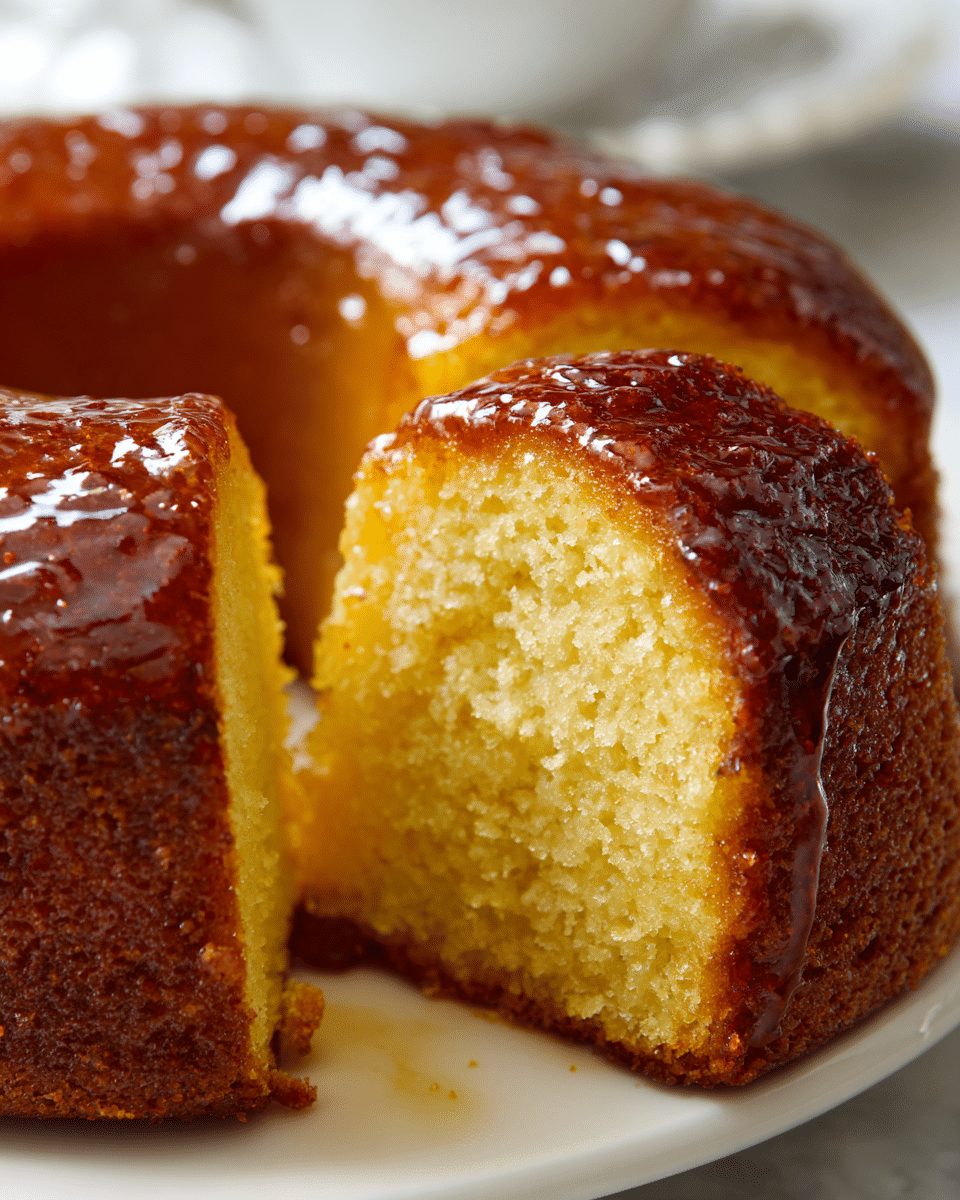
Making a Persian Orange Cake is wonderfully straightforward. Here’s how to bring it to life:
1. Boil the Oranges
Place two whole oranges (with skin) in a pot of water. Bring to a boil, then reduce to a simmer and cook for 60–70 minutes. This softens the peel and removes bitterness. Once tender, drain and let them cool completely.
2. Preheat and Prepare
Preheat your oven to 350°F (175°C). Grease a 9-inch springform pan and line the bottom with parchment paper to prevent sticking.
3. Puree the Oranges
Cut the cooled oranges into quarters (remove any seeds), then blend them in a food processor or high-powered blender until smooth — skin, pulp, and all. The puree should be thick and fragrant.
4. Mix Wet Ingredients
In a large bowl, beat 6 eggs with the sugar until thick and pale — about 3–5 minutes using a hand or stand mixer. This incorporates air, which helps the cake rise gently.
5. Combine
Stir in the orange puree and vanilla (if using). Then add almond flour, baking powder, and salt. Mix gently until everything is well incorporated — the batter will be quite loose but rich.
6. Bake
Pour the batter into the prepared pan. Smooth the top with a spatula. Bake for 50–60 minutes, or until a toothpick inserted in the center comes out clean. The top will be golden and slightly domed.
7. Cool and Serve
Let the cake cool in the pan for 10–15 minutes before transferring it to a wire rack. Serve warm, at room temperature, or chilled. Dust with powdered sugar or garnish with thin orange slices and pistachios for presentation.
Chef Tips:
-
Don’t rush the boiling step — it’s essential for mellowing the orange peel.
-
If the cake begins to brown too quickly, tent it loosely with foil halfway through baking.
-
For extra moisture, brush the top with a little orange syrup after baking.
Tips, Variations & Substitutions
-
For a Lighter Version: Use half almond flour and half oat flour.
-
Vegan Alternative: Swap eggs with a mix of aquafaba or flax eggs, though the texture will be denser and less fluffy.
-
Low-Sugar: Reduce sugar by 25% and use stevia or monk fruit sweetener if preferred.
-
With Glaze: Whisk powdered sugar with fresh orange juice for a tangy drizzle.
-
Cultural Variations:
-
In Iran, some versions include saffron or rose water for a more floral profile.
-
Moroccan-style cakes often use semolina instead of almond flour.
-
Serving Ideas & Occasions
Persian Orange Cake is incredibly versatile:
-
Tea Time Treat: Serve with cardamom tea or a spiced black tea.
-
Brunch Table Addition: Pairs beautifully with fresh berries and yogurt.
-
Dessert Course: Add a dollop of whipped cream or Greek yogurt and a sprinkle of chopped pistachios.
-
Holidays & Festivities: Ideal for Nowruz (Persian New Year), Easter, or Christmas due to its bright color and festive flavor.
-
Meal Prep-Friendly: Stays moist for days and freezes beautifully — perfect for make-ahead baking.
Its sunny flavor and moist texture make it a comforting yet refined dessert for any occasion.
Nutritional & Health Notes
This cake is naturally gluten-free, high in healthy fats from almonds, and sweetened with fruit-forward citrus and moderate sugar. It’s more nutrient-dense than most traditional cakes.
-
Almond Flour adds protein, Vitamin E, and fiber.
-
Oranges provide Vitamin C, antioxidants, and natural sweetness.
-
Eggs contribute high-quality protein and essential amino acids.
A single slice offers satisfying richness without needing heavy frostings or syrups. It’s a smart choice for those seeking a flourless cake that doesn’t sacrifice flavor or texture.
To lighten it up, use a sugar substitute or serve smaller portions with a side of fresh fruit.
FAQs
Q1: Can I use mandarin oranges instead of regular oranges?
Yes, mandarins work well and offer a slightly sweeter, less bitter flavor. However, you may need 3–4 mandarins to equal 2 medium oranges. Be sure to still boil them whole to soften the peel.
Q2: How long does Persian Orange Cake stay fresh?
This cake keeps exceptionally well thanks to the almond flour and fruit content. Store it in an airtight container at room temperature for up to 3 days, or refrigerate for up to a week. It also freezes well for 1–2 months.
Q3: Do I have to use a springform pan?
A springform pan makes removal easier, especially since this cake is moist and delicate. If you don’t have one, use a well-greased 9-inch round cake pan lined with parchment on the bottom.
Q4: Can I make this cake ahead of time?
Absolutely. In fact, the flavor improves after a day. Bake it a day in advance, let it cool, wrap tightly, and store at room temperature or refrigerate. Bring to room temp before serving for best flavor.
Q5: Is this cake suitable for Passover?
Yes, since it contains no leavened flour and uses almond flour instead, it’s a popular choice for Passover desserts. Just ensure your baking powder is certified for Passover, or omit it.
Q6: What can I serve with Persian Orange Cake?
Try pairing it with:
-
Thick yogurt or mascarpone
-
A drizzle of honey
-
Fresh mint tea or cardamom coffee
-
Poached pears or a berry compote
These complements highlight the cake’s citrusy depth without overpowering it.
Q7: How do I know when the cake is fully baked?
Check with a toothpick inserted in the center — it should come out clean with a few moist crumbs. The cake will be golden and set on top, and should slightly pull away from the sides of the pan.
PrintFragrant Orange Cake – Persian-Inspired & Deliciously Moist
A moist, fragrant Persian-style orange cake made with whole oranges and almond flour. Naturally gluten-free and rich in citrus flavor.
- Prep Time: 15 minutes
- Cook Time: 60 minutes
- Total Time: 1 hour 15 minutes
- Yield: 8–10 slices 1x
Ingredients
-
2 medium whole oranges
-
6 large eggs
-
1 cup granulated sugar
-
2 ½ cups almond flour
-
1 ½ tsp baking powder
-
1 tsp vanilla extract (optional)
-
¼ tsp salt
Instructions
-
Boil whole oranges in water for 60 minutes. Drain and cool completely.
-
Preheat oven to 350°F (175°C). Grease and line a 9-inch springform pan.
-
Quarter the oranges, remove any seeds, and blend into a thick puree.
-
In a large bowl, beat eggs and sugar until pale and thick.
-
Add orange puree and vanilla. Mix to combine.
-
Fold in almond flour, baking powder, and salt.
-
Pour into pan and bake 50–60 minutes, until golden and a toothpick comes out clean.
-
Cool in pan for 15 minutes, then transfer to a wire rack. Serve plain or dusted with powdered sugar.
Notes
-
Garnish with pistachios or a glaze for extra flair.
-
Store covered at room temp for 3 days or refrigerate up to a week.
-
Freezes well for up to 2 months.