
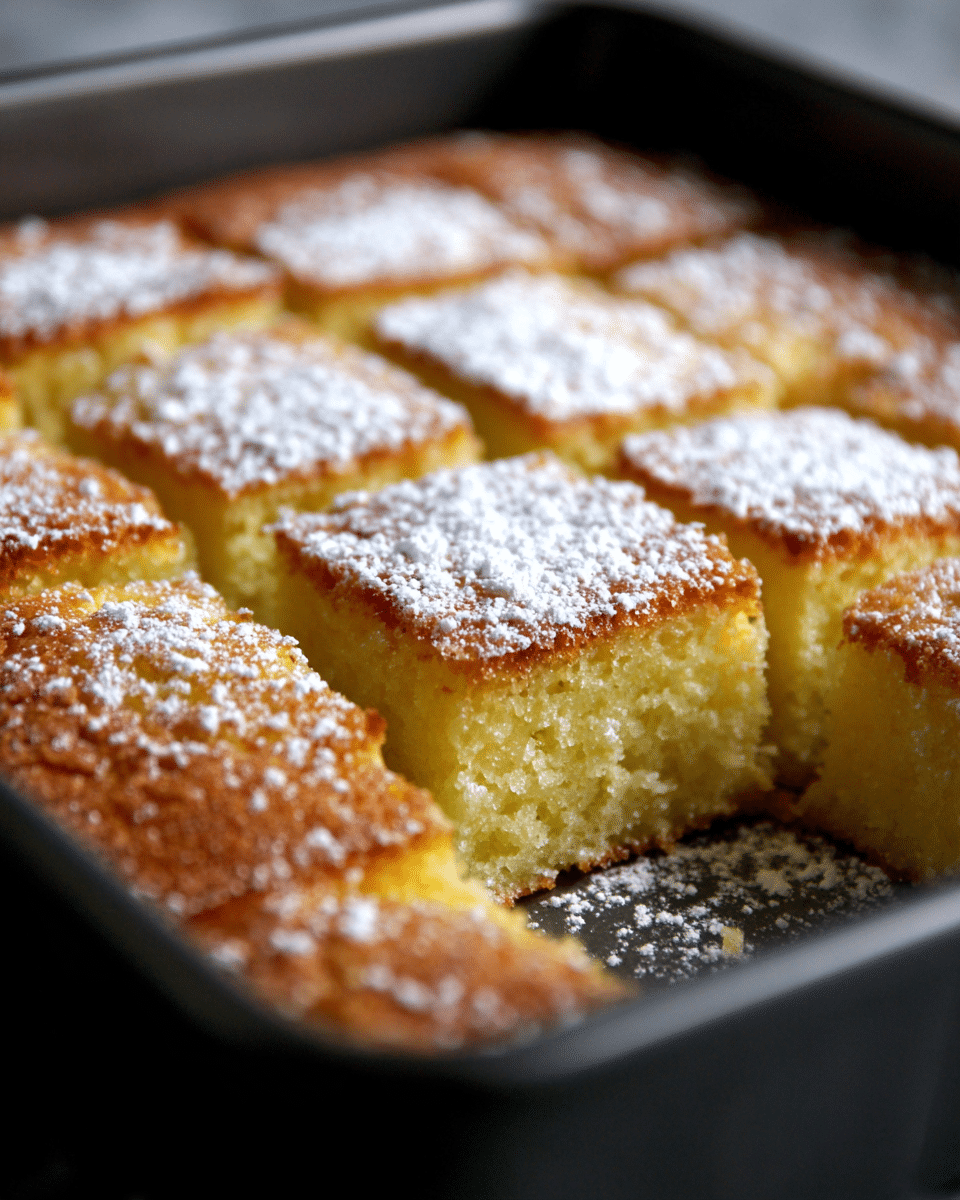
A Classic French Butter Cake, also known as Gâteau Breton or Gâteau de Beurre, is the definition of understated elegance in baking. With a golden, tender crumb, rich buttery flavor, and a delicate hint of salt, this traditional cake from Brittany, France is beloved for its simplicity and luxurious texture.
Unlike fluffy sponge cakes or heavily frosted confections, French butter cake focuses on high-quality ingredients and impeccable technique. The result? A dense yet tender cake that melts in your mouth and lingers with the taste of caramelized butter and sugar. It’s often scored with a crosshatch pattern and brushed with egg wash for a glossy finish, making it as beautiful as it is delicious.
This cake is perfect for everyday indulgence, afternoon coffee, or elegant holiday tables. It needs no adornment — though a spoonful of jam or whipped cream never hurts.
Ingredients Overview
A short list of ingredients delivers a surprisingly rich and nuanced flavor. For best results, use premium-quality dairy and always measure accurately.
Core Ingredients
-
Unsalted Butter: The star of the show — opt for European-style butter with high butterfat (like Plugrá or Président) for best flavor and texture.
-
All-Purpose Flour: Provides structure and density typical of gâteau Breton.
-
Egg Yolks: Give the cake its rich, custard-like crumb and golden color.
-
Granulated Sugar: Sweetens and adds a touch of crispness to the crust.
-
Salt: Essential for balancing sweetness and amplifying butter flavor. Use fine sea salt or fleur de sel for a hint of French authenticity.
-
Vanilla Extract (optional): Adds a subtle warmth and depth.
Note: Some traditional versions use rum or almond extract in place of vanilla for regional flair.
Egg Wash
-
1 Egg Yolk + 1 tsp Milk or Cream: For that signature glossy, golden finish and rustic pattern on top.
Step-by-Step Instructions
1. Prepare Your Ingredients
Bring butter and eggs to room temperature before starting. Preheat your oven to 350°F (175°C) and butter a 9-inch round cake pan (or tart pan with removable bottom). Line the bottom with parchment paper.
Pro Tip: This cake is dense, so avoid springform pans — they may leak or warp under pressure.
2. Cream the Butter and Sugar
In a mixing bowl, beat the butter and sugar together until light, creamy, and pale — about 3–4 minutes. This step is key for achieving the cake’s fine crumb.
Add egg yolks one at a time, mixing well after each addition. Scrape down the bowl to ensure a smooth, even mixture. Stir in vanilla or your chosen flavoring.
3. Add the Flour and Salt
Add the flour and salt, mixing on low speed or by hand until just combined. The dough will be thick — more like a cookie dough than a typical cake batter.
Transfer the dough to your prepared pan and smooth it out evenly with an offset spatula or the back of a spoon.
4. Add the Egg Wash & Pattern
Whisk together 1 egg yolk and 1 teaspoon milk. Brush this gently over the top of the cake. Use a fork or the back of a knife to score a classic crosshatch pattern over the surface.
Don’t skip this step — it gives the cake its rustic French bakery look.
5. Bake
Bake for 35–40 minutes, or until the top is deeply golden and the edges are set. A toothpick inserted should come out clean with moist crumbs attached, not wet batter.
Cool in the pan for 10 minutes, then transfer to a wire rack to cool completely.
Tips, Variations & Substitutions
-
Use Salted Butter for a Twist: If you prefer a savory-sweet contrast, use high-quality salted butter and omit the added salt.
-
Add a Touch of Almond Flour: Replace ¼ cup of all-purpose flour with almond flour for added moisture and a delicate nutty flavor.
-
Traditional Additions:
-
Rum: Add 1 tbsp dark rum to the batter.
-
Lemon Zest: For a bright twist, add zest of 1 lemon.
-
Fruit Filling: Spread a thin layer of raspberry jam or plum preserves in the center of the dough, covering it with another layer of dough — like a hidden surprise.
-
Storage & Make-Ahead
-
This cake stores beautifully at room temperature for up to 4 days.
-
It also freezes well — wrap tightly in plastic and foil, and thaw at room temp.
Serving Ideas & Occasions
French butter cake shines on its own, but it’s also lovely with:
-
Coffee or espresso for a morning or afternoon treat.
-
Fresh berries and crème fraîche for a brunch centerpiece.
-
A glass of dessert wine or brandy for elegant entertaining.
Ideal for:
-
Holiday tables
-
Tea parties or baby showers
-
Hostess gifts (it travels well and stays fresh!)
Nutritional & Health Notes
This cake is indulgent — rich in butter, eggs, and sugar — but also naturally portion-controlled and satisfying in small slices. It’s free from frosting, syrups, or added layers, letting the pure ingredients shine.
-
High in satiety due to fat content
-
Naturally nut-free unless almond flour is added
-
No leavening agents — relies on butter creaming for texture
If you’d like a lighter version:
-
Reduce sugar by 2–3 tablespoons
-
Use part whole wheat pastry flour for extra fiber
-
Replace ¼ cup butter with Greek yogurt (texture will be slightly softer)
FAQs
Q1: What is the difference between French butter cake and pound cake?
A1: French butter cake is denser and more shortbread-like than pound cake. It uses only egg yolks and has a more cookie-like crumb, while pound cake is lighter with whole eggs and often includes baking powder.
Q2: Can I make this cake gluten-free?
A2: Yes — use a 1:1 gluten-free flour blend designed for baking. The dense nature of the cake means it adapts well to gluten-free substitutions.
Q3: Why is my dough so thick?
A3: That’s normal! The dough should be thicker than typical cake batter — more like shortbread. Use a spatula or your hands to press and smooth it into the pan.
Q4: Can I add fruit to the batter?
A4: This cake isn’t designed to hold fresh fruit inside, but a layer of jam or preserves in the middle works beautifully. Avoid juicy fruits that can cause sogginess.
Q5: How should I store French butter cake?
A5: Store it tightly wrapped at room temperature for 3–4 days. You can also refrigerate it for up to a week or freeze for longer storage.
Q6: Is this the same as Gâteau Breton?
A6: Yes, Gâteau Breton is the regional name for this cake in Brittany, France. It’s traditionally made with salted butter and egg yolks and marked with a crosshatch pattern on top.
Q7: What’s the best way to serve this cake?
A7: Slice into wedges and serve with coffee, tea, or a dollop of crème fraîche and berries. It’s best enjoyed at room temperature.
PrintDecadent French Butter Cake — Golden, Soft & Sweet
A rich, dense, buttery French cake with a golden crust and a tender crumb — perfect for tea time or holiday dessert tables.
- Prep Time: 15 minutes
- Cook Time: 40 minutes
- Total Time: 55 minutes
- Yield: 10–12 slices 1x
Ingredients
-
1 cup (2 sticks) unsalted European-style butter, softened
-
1 cup granulated sugar
-
6 large egg yolks (reserve 1 yolk for egg wash)
-
2 cups all-purpose flour
-
½ tsp fine sea salt
-
1 tsp vanilla extract (optional)
-
1 tsp milk or cream (for egg wash)
Instructions
-
Preheat oven to 350°F. Grease a 9-inch round cake pan and line the bottom with parchment.
-
Cream butter and sugar until pale and fluffy.
-
Add 5 egg yolks one at a time, mixing well. Stir in vanilla.
-
Add flour and salt. Mix until a thick dough forms.
-
Spread dough evenly in pan. Smooth the top.
-
Whisk remaining yolk with milk. Brush over top and score a crosshatch pattern.
-
Bake 35–40 minutes, or until deeply golden.
-
Cool in pan 10 minutes, then transfer to a rack
Notes
-
Store at room temperature for 3–4 days.
-
Freeze tightly wrapped for up to 1 month.
-
Serve with crème fraîche, berries, or jam.