
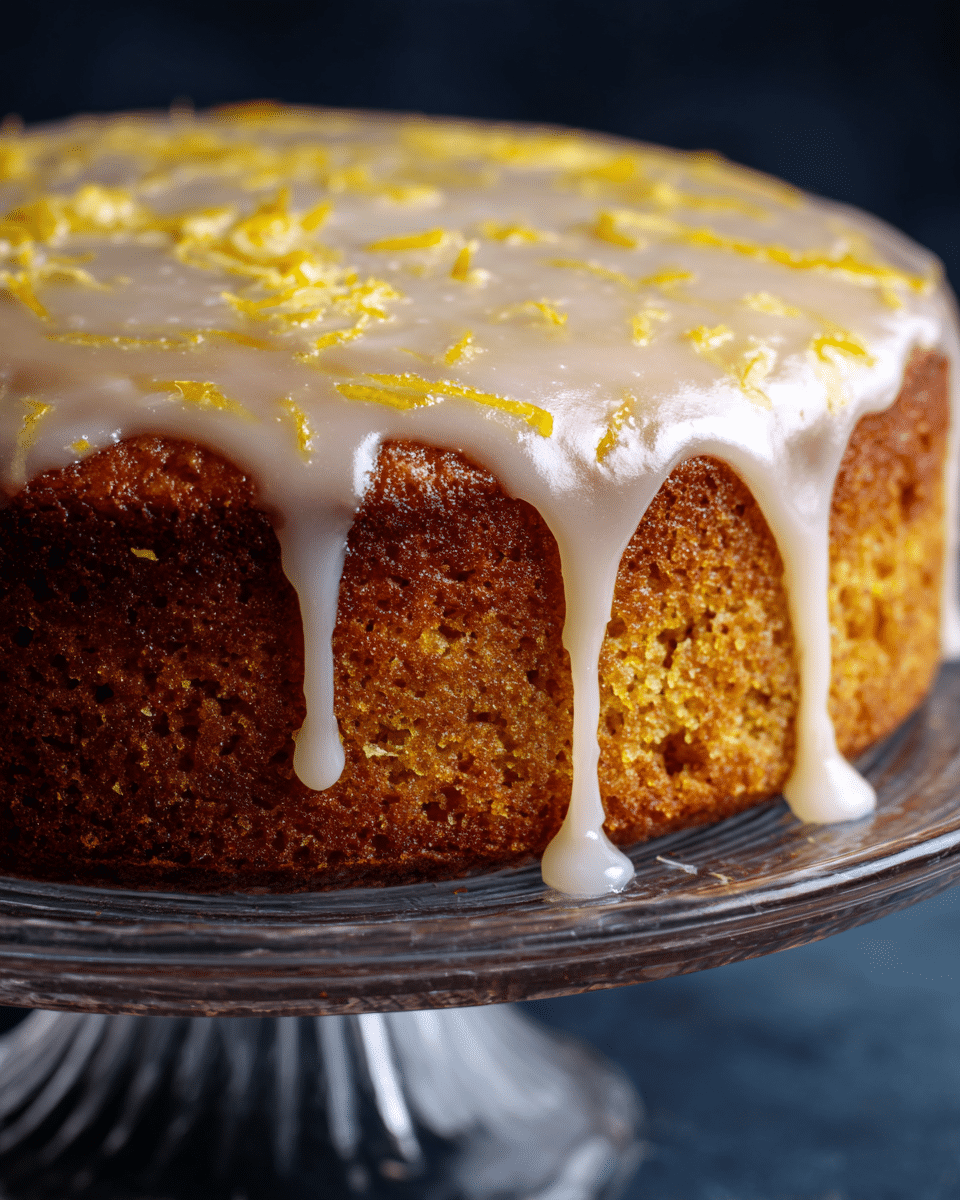
If you’re a lemon dessert lover, this is the cake you’ve been waiting for. Moist, tender, and bursting with bright citrus flavor, this Lemon Cake is the perfect balance of sweet and tangy. It’s rich but light, vibrant yet comforting — a true bakery-style lemon cake that lives up to its name.
What makes this lemon cake stand out? A soft, buttery crumb soaked with lemon syrup for extra moisture, layered (or topped) with a creamy lemon frosting, and finished with just the right amount of zest. It’s the kind of dessert that disappears fast at parties and keeps everyone asking for the recipe.
Perfect for spring gatherings, Easter, birthdays, or afternoon tea, this zesty showstopper tastes like sunshine in cake form.
Ingredients Overview
This cake relies on a few simple ingredients, but every one of them plays an essential role in flavor, structure, and texture.
For the Lemon Cake:
-
All-Purpose Flour: Provides the cake’s structure. For an even softer crumb, substitute with cake flour.
-
Baking Powder & Baking Soda: Ensures a tall rise and tender texture.
-
Salt: Balances sweetness and enhances lemon flavor.
-
Unsalted Butter: Adds richness and flavor. Use room temperature for proper creaming.
-
Granulated Sugar: Creamed with butter to aerate the batter and provide sweetness.
-
Eggs: Contribute moisture and structure. Room temperature eggs mix more evenly.
-
Buttermilk: Adds tang and tenderizes the crumb. Yogurt or sour cream can be substituted.
-
Fresh Lemon Juice: Brightens the flavor and makes the cake unmistakably lemon.
-
Lemon Zest: Adds concentrated citrus aroma. Use unwaxed lemons and a microplane zester.
-
Vanilla Extract: Adds warmth and rounds out the lemon flavor.
Optional Lemon Syrup:
-
Lemon Juice + Sugar: Brushed over the warm cake for extra moisture and a citrusy punch.
For the Lemon Frosting:
-
Cream Cheese or Butter (or both): Cream cheese adds tang, while butter gives smooth richness.
-
Powdered Sugar: Sweetens and thickens the frosting.
-
Lemon Juice & Zest: Intensify the lemon flavor.
-
Heavy Cream or Milk: Adjusts the frosting’s consistency.
Variations & Substitutions:
-
Gluten-Free: Use a 1:1 gluten-free baking blend with xanthan gum.
-
Egg-Free: Substitute eggs with yogurt, buttermilk, or an egg replacer — texture may vary slightly.
-
Dairy-Free: Use dairy-free butter and plant-based yogurt or milk alternatives.
Step-by-Step Instructions
1. Prep the Pans
-
Preheat oven to 350°F (175°C).
-
Grease and flour two 8-inch or 9-inch round cake pans, or line with parchment paper.
2. Make the Cake Batter
In a large bowl or stand mixer:
-
Cream together:
-
¾ cup unsalted butter, softened
-
1½ cups granulated sugar
-
Zest of 2 lemons
-
-
Beat for 2–3 minutes until light and fluffy.
Add one at a time:
-
3 large eggs (room temperature)
Mix in:
-
2 tbsp lemon juice
-
1 tsp vanilla extract
In a separate bowl, whisk:
-
2¼ cups all-purpose flour
-
2 tsp baking powder
-
½ tsp baking soda
-
½ tsp salt
Add dry ingredients to the batter alternately with:
-
1 cup buttermilk (start and end with dry)
Mix until just combined. Do not overmix.
3. Bake the Cake
-
Divide the batter evenly between prepared pans.
-
Bake for 28–32 minutes or until a toothpick inserted in the center comes out clean.
-
Let cool in pans for 10 minutes, then turn out onto wire racks to cool completely.
4. Make Lemon Syrup (Optional)
-
In a small saucepan, combine:
-
¼ cup lemon juice
-
¼ cup granulated sugar
-
-
Heat until sugar dissolves. Brush over the warm cakes for added moisture and zing.
5. Make the Lemon Frosting
In a mixing bowl, beat until smooth:
-
8 oz cream cheese, softened
-
½ cup unsalted butter, softened
-
1 tsp lemon zest
-
1–2 tbsp lemon juice
Gradually add:
-
3–3½ cups powdered sugar
Beat until light and fluffy. Add 1 tbsp milk or cream if needed for spreading consistency.
6. Assemble the Cake
-
Place one cake layer on a serving plate.
-
Spread with a thick layer of frosting.
-
Add the second layer and frost the top and sides generously.
-
Optional: Decorate with lemon slices, zest curls, or candied lemon peel.
Chill the cake for 30–60 minutes before slicing for clean cuts.
Tips, Variations & Substitutions
-
Room Temperature Ingredients: Always bring butter, eggs, and buttermilk to room temperature for a smooth batter.
-
Don’t Overmix: Stir until just combined to avoid a dense or tough cake.
-
Extra Lemony: Add a teaspoon of lemon extract to the batter or frosting for a citrus boost.
-
Bundt Version: Bake in a greased 10-cup Bundt pan for 40–45 minutes. Drizzle with glaze instead of frosting.
Add-On Ideas:
-
Fill the center with lemon curd for a tart surprise.
-
Add a layer of raspberry jam between the cakes for fruit contrast.
-
Garnish with edible flowers or crushed meringue for a spring-inspired finish.
Serving Ideas & Occasions
This cake is a star at:
-
Brunch tables with coffee or iced tea
-
Mother’s Day, Easter, or spring birthdays
-
Summer picnics and showers
-
Tea parties or book club gatherings
Pair it with lemon iced tea, a glass of prosecco, or a berry compote on the side. Because it’s not overly sweet, it pleases both frosting lovers and those who prefer lighter desserts.
Nutritional & Health Notes
This lemon cake is rich in real citrus flavor and can be balanced with lighter modifications:
-
Use Greek yogurt in place of some butter for added protein.
-
Try reduced sugar frosting or skip the syrup for less sweetness.
-
Bake into cupcakes or mini loaves for portion control.
Each slice (1 of 12) contains approximately 350–420 calories depending on frosting thickness. Enjoy chilled or at room temperature — it tastes even better the next day.
FAQs
Q1: Can I make this cake ahead of time?
Yes. Bake the cake layers a day in advance and wrap tightly in plastic. Frost just before serving or the night before.
Q2: Can I freeze it?
Absolutely. Wrap unfrosted cake layers tightly and freeze for up to 2 months. Thaw in the fridge overnight before frosting.
Q3: What makes this cake so moist?
The buttermilk, lemon syrup, and proper mixing technique (not overbaking!) keep this cake moist and tender.
Q4: Can I make cupcakes from this recipe?
Yes. This recipe makes about 24 cupcakes. Bake at 350°F for 18–20 minutes.
Q5: Why did my cake sink?
Overmixing, underbaking, or opening the oven too early can cause sinking. Use an oven thermometer to ensure even temperature.
Q6: Can I use bottled lemon juice?
Fresh lemon juice is highly recommended for best flavor and acidity. Bottled juice can taste flat or bitter.
Q7: What’s the best frosting for lemon cake?
A tangy cream cheese frosting complements the lemon beautifully. Buttercream also works for a lighter touch. For a glaze option, use lemon juice + powdered sugar.
PrintZesty Lemon Pound Cake – Light, Sweet, and Refreshing
A bright, zesty lemon cake with a tender crumb, brushed with lemon syrup, and topped with creamy lemon frosting — perfect for any citrus lover.
- Prep Time: 25 minutes
- Chill Time: 1 hour (optional)
- Cook Time: 30 minutes
- Total Time: 1 hour (optional)
- Yield: 12 slices 1x
Ingredients
Lemon Cake:
-
¾ cup unsalted butter, softened
-
1½ cups granulated sugar
-
Zest of 2 lemons
-
3 large eggs
-
2 tbsp lemon juice
-
1 tsp vanilla extract
-
2¼ cups all-purpose flour
-
2 tsp baking powder
-
½ tsp baking soda
-
½ tsp salt
-
1 cup buttermilk
Lemon Syrup (optional):
-
¼ cup lemon juice
-
¼ cup granulated sugar
Lemon Frosting:
-
8 oz cream cheese
-
½ cup unsalted butter
-
1 tsp lemon zest
-
1–2 tbsp lemon juice
-
3–3½ cups powdered sugar
-
1 tbsp cream or milk (as needed)
Instructions
-
Preheat oven to 350°F. Grease and line two 8-inch pans.
-
Cream butter, sugar, and lemon zest until fluffy.
-
Add eggs one at a time, then mix in lemon juice and vanilla.
-
Combine dry ingredients separately. Add to wet mixture alternately with buttermilk.
-
Divide batter into pans. Bake 28–32 minutes. Cool completely.
-
Make lemon syrup and brush over cakes while warm (optional).
-
Beat cream cheese and butter. Add lemon zest, juice, and powdered sugar to make frosting.
-
Assemble and frost the cake. Garnish as desired
Notes
-
Store chilled for up to 4 days.
-
Freeze unfrosted layers for up to 2 months.
-
Can be baked as a Bundt cake or cupcakes.